-
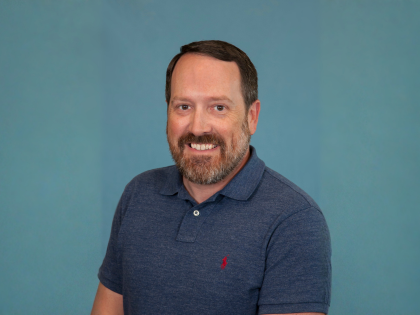
Meet John Sackreiter: Director of Information and Technology at Second Harvest
Meet John Sackreiter, Second Harvest’s Director of Information and Technology, who joined the organization over a year ago. Read More -
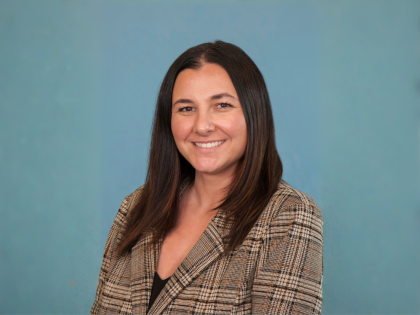
Meet Rachel Parris: Director of Sourcing at Second Harvest
Meet Rachel Parris, our Director of Sourcing at Second Harvest! Here she shares her insights on food sourcing, nutrition and collaboration. Read More -
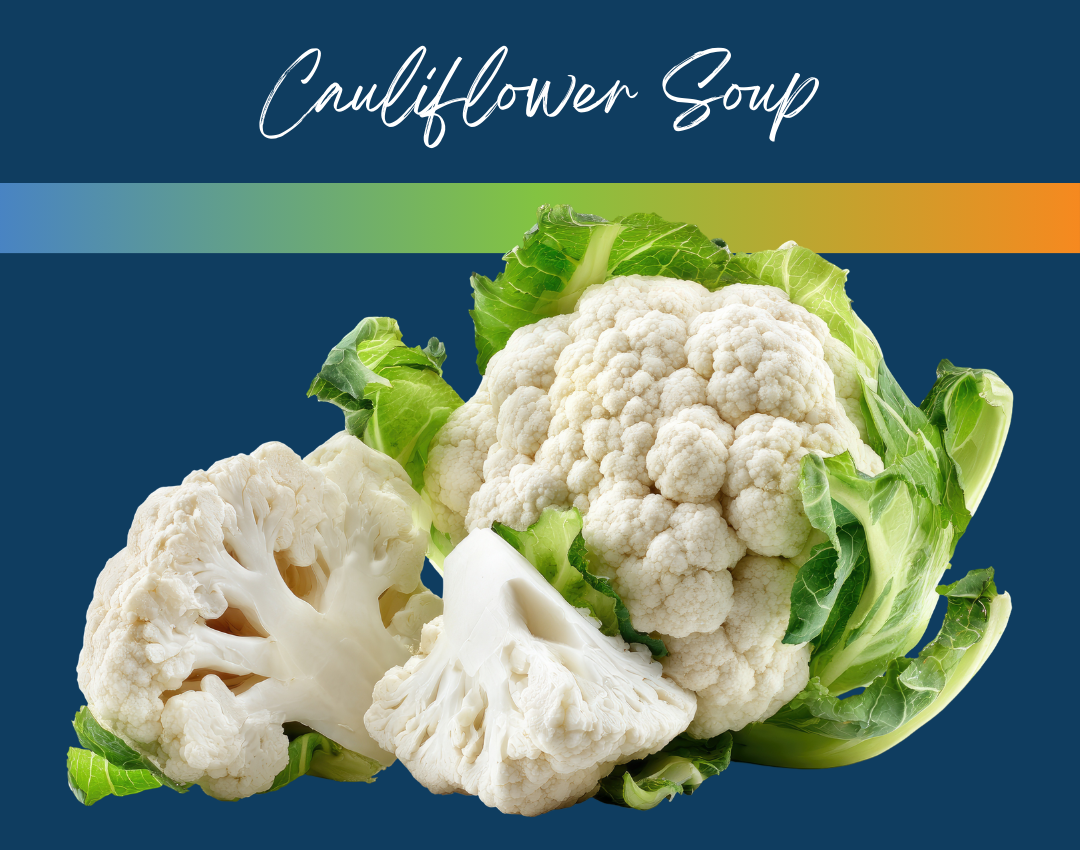
Farm-Fresh Recipe: Cauliflower Soup
Check out this Cauliflower Soup recipe from Knife Pleat's Chef Tony Esnault! This dish is easy to prepare and full of flavor, and is perfect for cozy nights or casual winter meals. Read More -
Meet Jane Van Dyke: Our Director of Human Resources is Retiring
Meet Jane Van Dyke, our Director of Human Resources who is retiring from Second Harvest after 16 years. Read more about her journey! Read More -
Meet Crystal Tosello: Director of Annual Campaign at Second Harvest
Meet Crystal Tosello, Director of Annual Campaign at Second Harvest. With over a decade of nonprofit experience, she builds partnerships that help provide nutritious food for families across Orange County. Read More -

Caramelized Roasted Butternut Squash Recipe
Warm up your kitchen and your heart this season with our Caramelized Roasted Butternut Squash Recipe — simple, nourishing and made with local fall produce. Read More -
Meet Ellie Dinh: Director of Programs and Services at Second Harvest
Meet Ellie Dinh, Director of Programs and Services at Second Harvest. Learn about her journey, leadership style and passion for feeding OC! Read More -

Strawberry Semifreddo Recipe from Knife Pleat!
Michelin-star chef Tony Esnault of Knife Pleat was recently featured on Good Day LA cooking a delicious winter soup at Harvest Solutions Farm. Read More -
Meet Toyah Brooks: Director of Operations at Second Harvest
Meet Toyah Brooks, our Director of Operations at Second Harvest Food Bank! From overseeing operations to supporting our team, she works every day to help feed Orange County with care and dedication. Read More
Meet John Sackreiter: Director of Information and Technology at Second Harvest
Meet John Sackreiter: Director of Information and Technology at Second Harvest
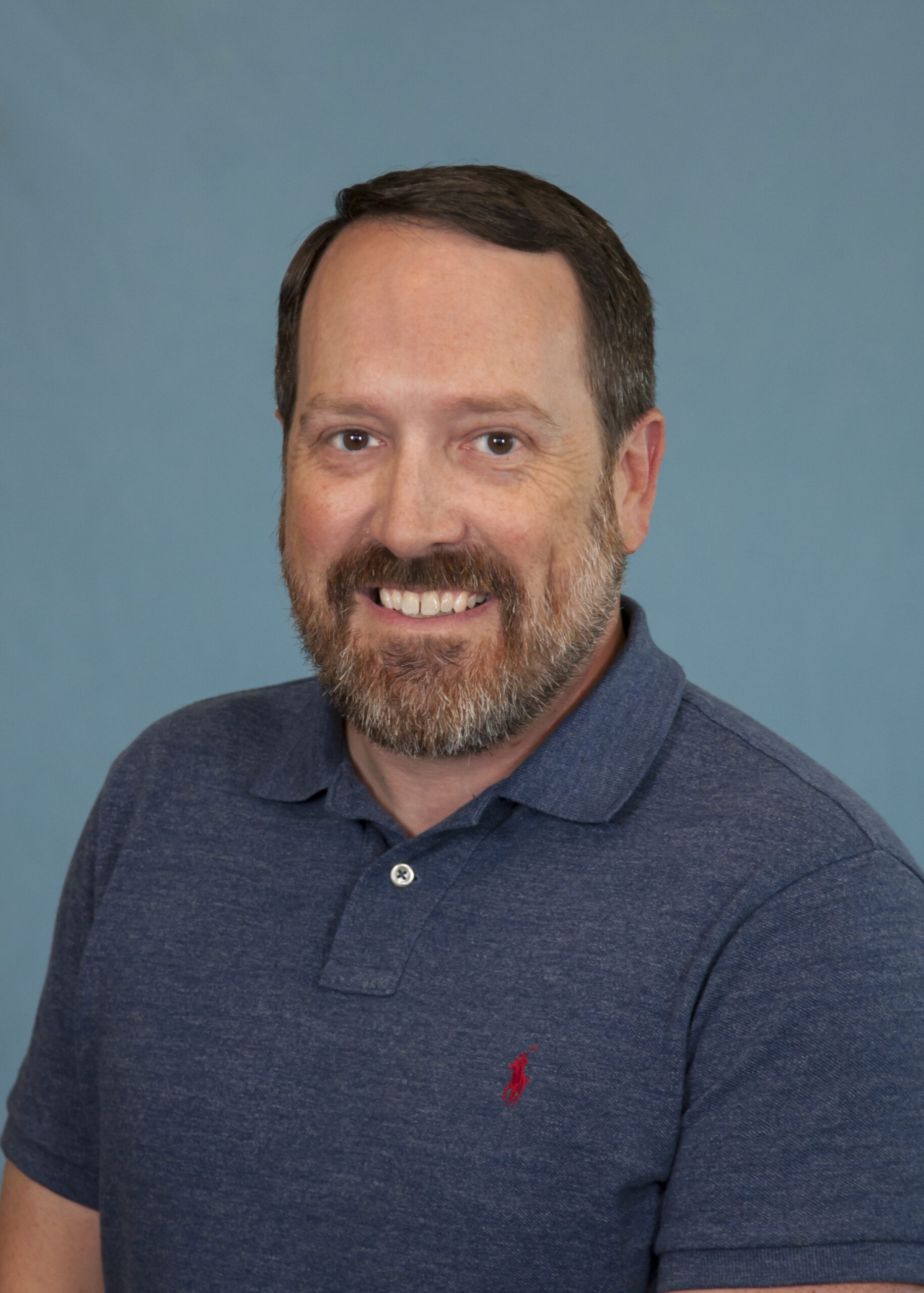
Technology might not be the first thing you picture when you think about a food bank, but at Second Harvest, it’s woven into almost every step of our mission. From keeping trucks moving on schedule to protecting donor data to making sure staff can work efficiently day to day, technology helps make nutritional security possible at scale.
That work is led by John Sackreiter, Second Harvest’s Director of Information and Technology. John joined the organization just over a year ago after spending more than a decade in the hospitality world, a change he describes as both meaningful and grounding.
What’s your role at Second Harvest, and how long have you been with SHFB?
I am the Director of Information and Technology at Second Harvest, and I’ve been with the Food Bank for just over a year.
Before joining Second Harvest, I spent more than 14 years working in the hospitality industry, primarily in fine dining and restaurant operations. While the work was fast-paced and rewarding in its own way, I reached a point where I wanted to make a shift.
When I came across the opportunity to work at Second Harvest, I took time to research the organization. I watched videos, explored the organization’s social media channels and tried to better understand the mission. Despite living less than two miles away, I realized how little I knew about the scope of the work being done here.
What truly stood out was hearing CEO Claudia Bonilla Keller speak about the reality of food insecurity in Orange County. She mentioned that living in a county like Orange County, as financially strong as it is, and being food insecure is especially cruel. That thought resonated deeply with me. That moment of understanding solidified my decision to apply and ultimately make the transition to Second Harvest.
What’s something people might not know about your job or about Second Harvest?
I think many people are surprised by how deeply technology is integrated into every part of the Food Bank’s operations.
There’s often a perception of what a food bank looks like, but behind the scenes, technology supports nearly everything we do, from routing delivery trucks and managing logistics to enabling staff communication, data reporting and protecting donor information.
Technology also plays a major role in ensuring business continuity. We think through scenarios like internet outages, system failures or cybersecurity threats and make sure we can continue operating without disruption should any of those scenarios occur. People rely on us, and having the right technology in place helps ensure we can consistently deliver on our mission.
What is the most valuable piece of advice that you’ve learned?
One of the biggest lessons I’ve learned, especially working in IT, is that you’re never done learning.
Technology is constantly changing, and you can’t get too comfortable with what you already know. The landscape looks very different today than it did even 10 years ago, and that means adapting, staying curious and being willing to evolve. Embracing that mindset has helped me grow and stay engaged in my work.
What does “feeding OC” mean to you?
From a professional standpoint, feeding OC means supporting the people who are on the front lines of the mission. IT is very much a service role, and my job is to help teams across the organization do their work efficiently, reliably and effectively.
From a personal perspective, feeding OC is about recognizing that food insecurity affects people across all demographics. There is often a stigma around what food insecurity looks like, and I appreciate that Second Harvest serves a wide range of communities – seniors, children, college students and families throughout Orange County.
Having grown up in central and southern Missouri, food insecurity was more visible to me early on. Being part of Second Harvest has opened my eyes to how present these issues are here as well, even if they are easier to overlook.
What do you love most about working at Second Harvest?
The people and the culture stand out immediately. I’ve never felt more welcomed, heard or respected in a workplace.
What has been your favorite memory from working at Second Harvest?
One of my favorite experiences was the onboarding process and having the chance to see the mission in action so early on, from the Distribution Center to the farms to delivery routes. Those experiences helped me understand how all the pieces fit together and reinforced the importance of the work we do every day.
I’ve also been struck by how many people in the community have volunteered with Second Harvest. Wearing Second Harvest gear in public and having people stop to share their positive experiences reinforces the impact this organization has, and the strong connection people feel to the mission.
How can the community support Second Harvest?
Community support is essential to our work. Raising awareness, whether it’s by talking about food insecurity, sharing information about Second Harvest or helping others understand the scope of the need in Orange County, is a powerful way to help.
Financial contributions also make a significant impact and help ensure the organization can operate at scale while protecting the integrity and security of its systems and operations.
Supporting Second Harvest ultimately means supporting the people and infrastructure that make nutritional security possible throughout the county.
What part of your role as Director of Information and Technology is the most rewarding?
The most rewarding part of my role is helping others succeed.
Knowing that the systems and tools my team supports allow staff across the organization to do their jobs better – and ultimately serve the community more effectively – is incredibly meaningful. Every improvement we make connects back to the mission and helps Second Harvest continue to show up for Orange County.
What’s one thing you hope people better understand about your role or about the IT Department at Second Harvest?
I hope people understand that technology is not separate from the mission; it’s a critical part of it.
From protecting donor trust to keeping operations running smoothly, IT supports every department and helps ensure Second Harvest can continue delivering food reliably and responsibly. Our goal is to make sure the organization is prepared, secure and able to serve the community without interruption.


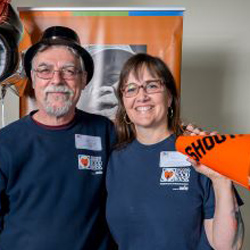 Jill Wilson decided to volunteer with Second Harvest in 2008 when she was in between jobs and looking for a way to apply her talents that could benefit the community. She arrived one day at Second Harvest’s former distribution center in Orange, ready to serve, and felt immediately connected to the mission.
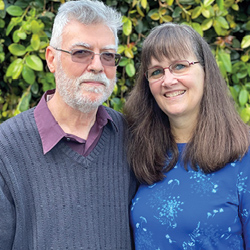 Like Jill and Ian, other friends of the food bank may be looking for ways to connect meaningfully with Second Harvest to help those experiencing hunger in Orange County for years to come. One simple way to make a significant impact, while achieving peace of mind, is by creating a will or revocable living trust with our partner, FreeWill.
 March is National Nutrition Month, an annual awareness campaign that encourages us to learn about nutrition, develop healthy eating habits and discover the fun of being physically active. At Second Harvest Food Bank of Orange County, we strive to provide everyone in Orange County with the nutrition they need to grow and excel in life.
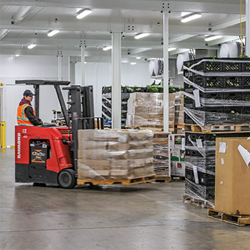 Last spring, here at Second Harvest we completely revamped our focus to proactively purchase fresh nutrition for those in need, ensuring a steady pipeline of protein, dairy, eggs, fruits and vegetables to our approximately 300 partner and program sites. As a next step, we recently unveiled our new, 6,200-square-foot cold storage facility and two additional cold docks that establish a “cold chain” at our distribution center in Irvine. This gives us a total of 14,550 square feet of cold storage, which greatly enhances our ability to source and distribute more nutritious food.
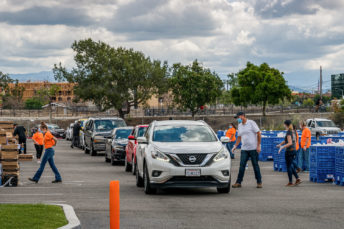 Second Harvest continues to fight increasing food insecurity through our Pop-Up Drive Thru food distributions with the help of many amazing volunteers and it is no surprise that many of them are mothers. Jacqueline is one such volunteer and I wanted to learn more of her story.
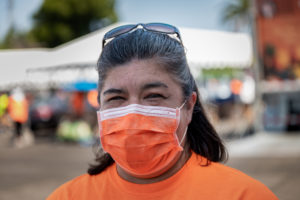 here to volunteer representing other mothers…to give back to the community, to be a role model to my children. As a mother, as a woman, as a friend, as a wife…you have so many hats you have to put on and one of them is giving. When I go home my daughter asks me, “Mom what did you do today?” And I say, “I got to give back to people, people that really don’t have as much as we do.” Hopefully she sees me doing this and then as she gets older, she’ll want to give back just the same way.”
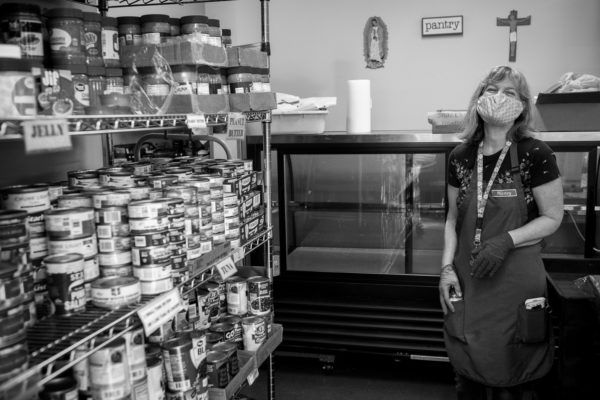 Pantry. Their style traditionally has always been very welcoming and focused on building relationships with those they serve. They would put out coffee and pastries and spend time talking with the families who would come early just to socialize.
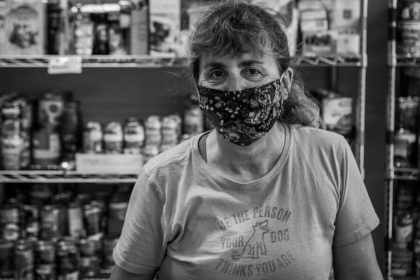 One of Nancy’s key volunteers, Mary Kaye, also shared insights. Mary Kaye is an emergency room doctor who has been spending much of her spare time serving at the Saint Timothy pantry. She began volunteering pre-COVID by taking blood pressures on pantry days and translating for Spanish-speaking clients.. All the changes have her missing conversations and connecting with the families they serve.
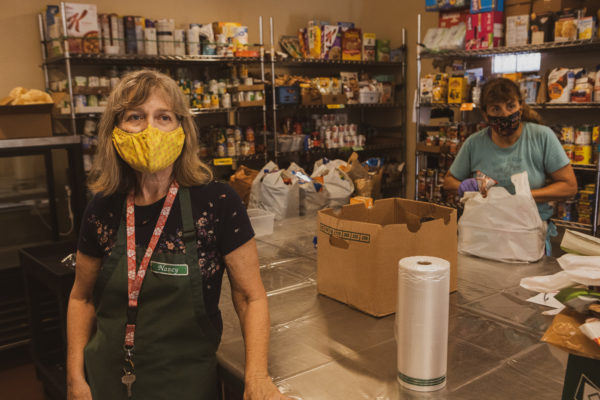 can take your blood pressure soon,” and encouraging them.”
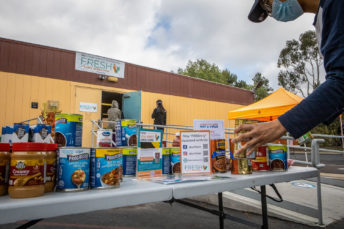 Whatever the situation that keeps students on campus and struggling to feed themselves, the Fresh Basic Needs Hub at UCI remains open to serve them, supported by food from Second Harvest. Student hunger is a serious challenge, made even worse by the pandemic, but Fresh, as it’s called, has the mission to provide for the basic needs of UCI students, allowing them to focus on academics.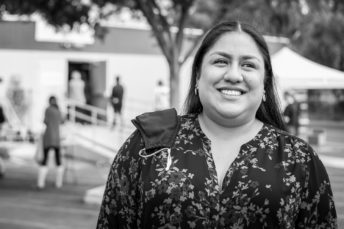
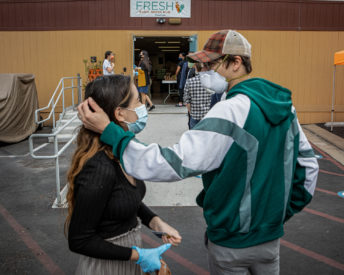 Last week did not feel hopeful. Seeing the injustice of the past few days makes me cringe. It causes me to grieve when I see people treated unfairly or worse. But I’m choosing to move forward with hope. How can I have hope this week? Because I know Andrea and I see how she treats people who sometimes feel trapped. The team at Fresh, and all the other college pantries in Orange County serve as a lifeline for their students, providing for basic needs and offering a dignified experience for everyone who comes to them for help. Their service is a beacon of hope in the darkness.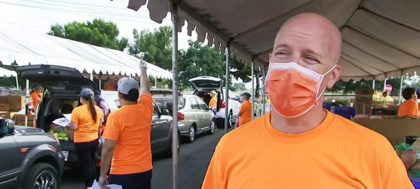
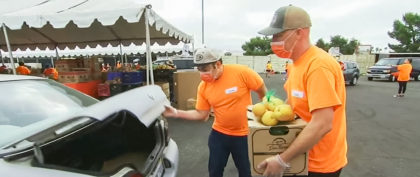 redirected those emotions toward survival and humility. While it was a very difficult decision, Stephen and Kristina decided that in order to make it through this crisis, they would need to receive assistance the first time in their lives. This is what it means to be newly vulnerable.